Soulframe Builds Guide: Loadout Workflow
Build Soulframe Preludes loadouts with a repeatable workflow using Pacts, Virtues, Weapons, Runes, and Armor.
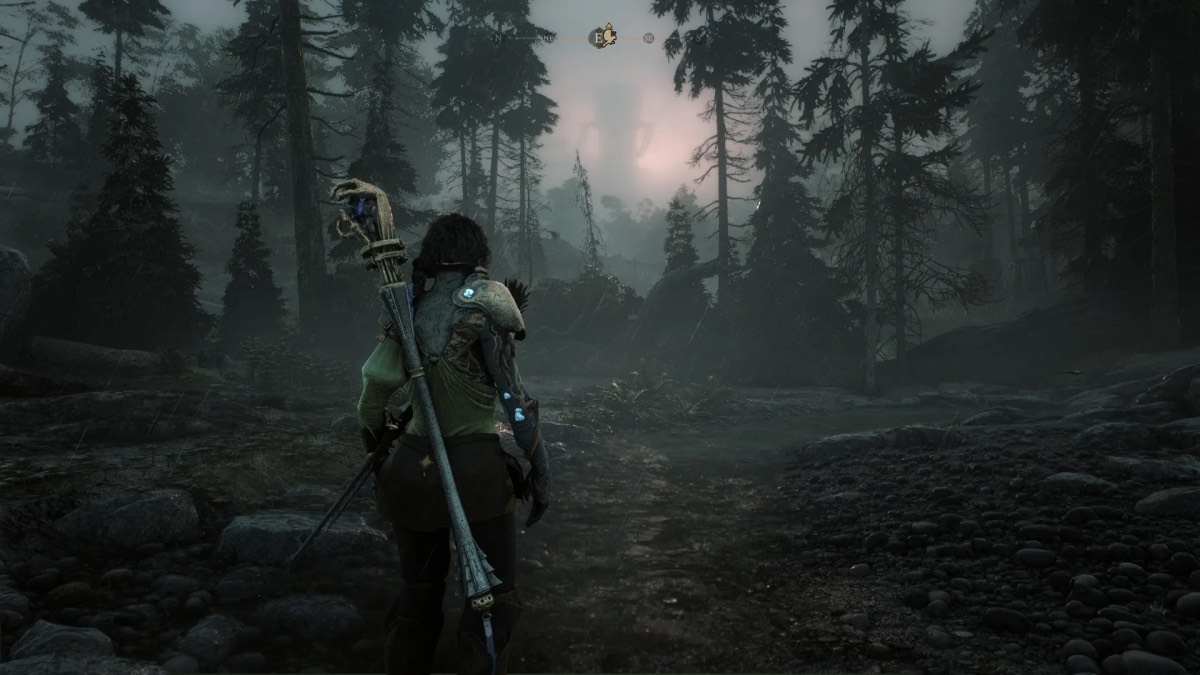
Loadout workflow
Use these steps to turn a playstyle idea into a testable Preludes loadout.
Define intention
Choose Courage, Grace, Spirit, or another current Pact signal as your role direction.
Pick distance
Match the intention to close, mid, or long weapon spacing.
Add one variable
Change a weapon, rune, armor idea, or habit before testing.
Repeat the test
Fight the same encounter enough times to separate luck from feel.
Record the result
Note spacing, timing, awareness, or survivability as the failure point.
Swap deliberately
Use the Nightfold outside combat after you know what to change.
What a loadout contains
The current official Steam copy says an Envoy can combine Pacts, Virtues, Weapons, Runes, and Armor. Treat those as connected decisions: intent, ability direction, combat distance, and the supporting pieces that keep the intended loop alive.
- Pacts and Virtues describe your role and ability direction.
- Weapons determine the spacing and rhythm you practice.
- Runes and Armor should support a loop you have actually tested.
- A loadout is the whole assembly, not a single best item.
Define the playstyle intention
Before choosing pieces, name the problem you want the build to solve. Courage, Grace, and Spirit are useful intention signals from official Virtue language, but they are not fixed MMO classes and they do not by themselves prove a final best build.
- Courage: you want direct engagement and pressure.
- Grace: you want timing, positioning, or patient attacks.
- Spirit: you want magick and ability-led decisions.
- Undefined intention: keep the setup simple until the failure point is clear.
Turn intention into a test
A usable Preludes build starts as a small experiment: one intention, one comfortable weapon distance, and one variable to change. If you change several pieces at once, the result cannot tell you what improved or broke.
- Write down the intended fight pattern.
- Pick close, mid, or long spacing before picking a specific weapon.
- Change one variable, such as a weapon rhythm, armor idea, rune, or habit.
- Leave unrelated choices alone until the test is complete.
Run the same encounter test
Use the same encounter and repeat it enough times to separate execution errors from randomness. Record spacing, timing, awareness, and survivability instead of grading the build only by clear speed or feeling.
- Choose an encounter you can reach repeatedly.
- Keep the test goal specific, such as maintaining distance or surviving a crowd.
- Compare results after changing one variable, not several.
- Re-test after official updates because Preludes balance can change.
When to swap a loadout
The official Steam page says earned loadouts can be swapped outside combat through the Nightfold. Swap when your test identifies a concrete failure, not merely because an encounter felt difficult once.
- Swap after you can name the problem you are solving.
- Keep a short result note so future updates are easier to evaluate.
- Do not assume combat-time swapping; the current official wording says outside combat.
- Remember that newly available pieces may change the decision.
Keep a rollback note
Before swapping a loadout, save one line containing the previous combination, the failure you observed, and the encounter used for the test. If the new combination is worse after a patch, that note lets you return to a known reference point instead of rebuilding from memory. It also separates a genuine balance change from a temporary execution mistake.
What not to assume during Preludes
This page is deliberately not a tier list. It does not claim fixed damage numbers, permanent best items, or a complete rune and armor ranking, because those details require current verified evidence from the client or official notes.
- Do not treat an early recommendation as permanent.
- Do not assume unavailable or datamined items are currently usable.
- Do not turn comfort into a universal ranking.
- Recheck official patch notes before repeating old conclusions.
Source and verification
Official Steam copy identifies Pacts, Virtues, Weapons, Runes, and Armor as loadout components and says earned loadouts can be swapped outside combat through the Nightfold. Exact items and rankings are not listed without current evidence.
FAQ
What build should I use first?
Use the simplest setup that matches your intended distance and lets you practice timing. Keep the first sessions readable by changing one variable at a time rather than assembling a complicated theoretical build.
Are builds final during Preludes?
No. Official materials describe regular Preludes updates, so balance and available systems may change. Treat every conclusion as dated and re-test after major updates.
Can I swap loadouts in combat?
The current official Steam wording says earned loadouts can be swapped outside combat through the Nightfold. This page does not assume combat-time swapping beyond that wording.
How do Pacts and Virtues affect a build?
They give your build an intention and ability direction, while weapons determine the spacing and rhythm you practice. Test them together against a repeatable encounter before adding more variables.
Why is this page not a tier list?
Because Preludes information can change and exact damage, item pools, and rankings require current verified evidence. A repeatable testing workflow is more useful and more honest during this phase.